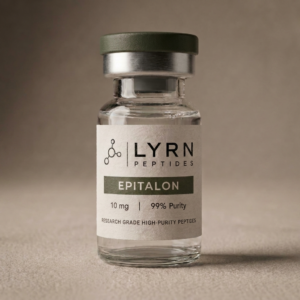
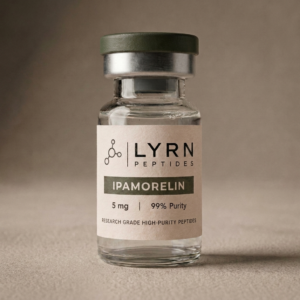
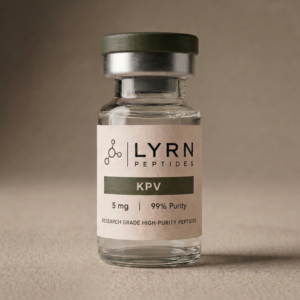
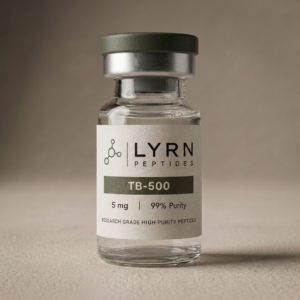
39,00 €
39,00 € – 59,00 €Price range: 39,00 € through 59,00 €
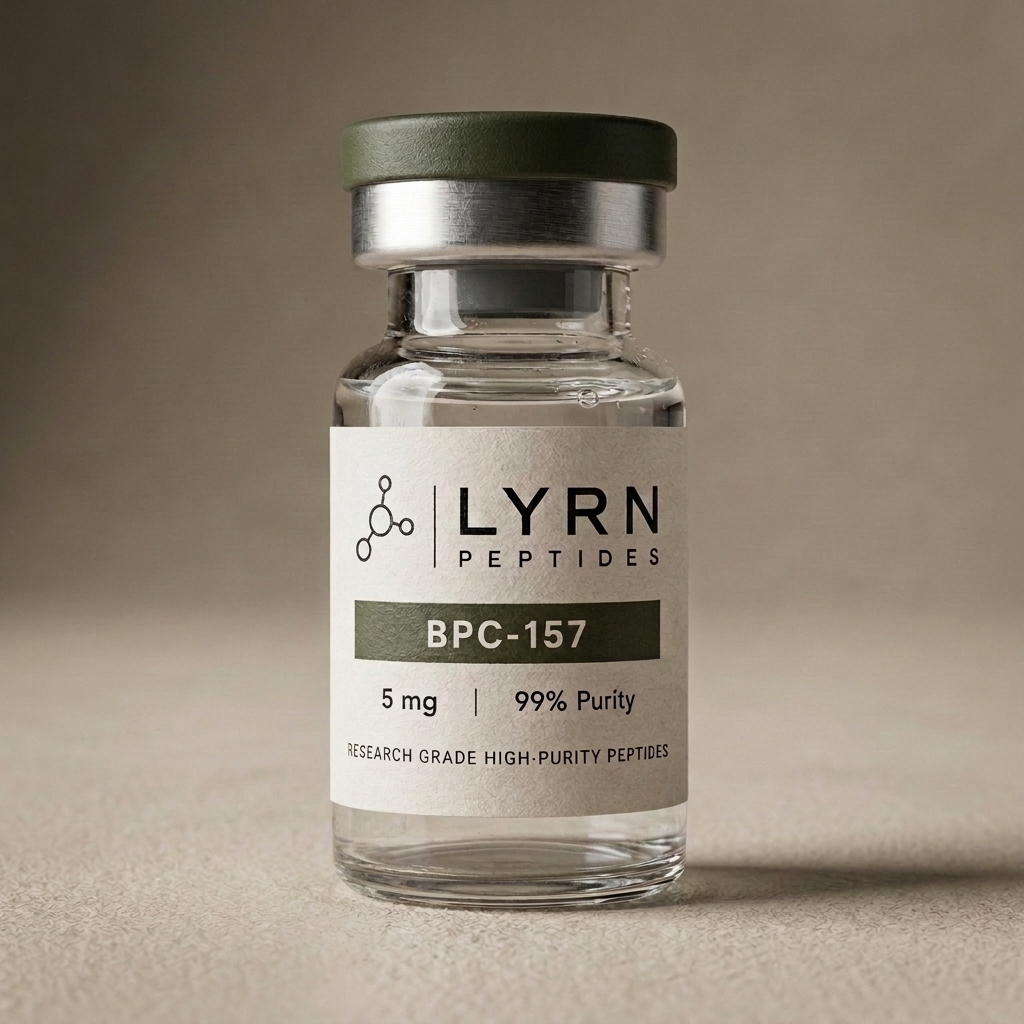
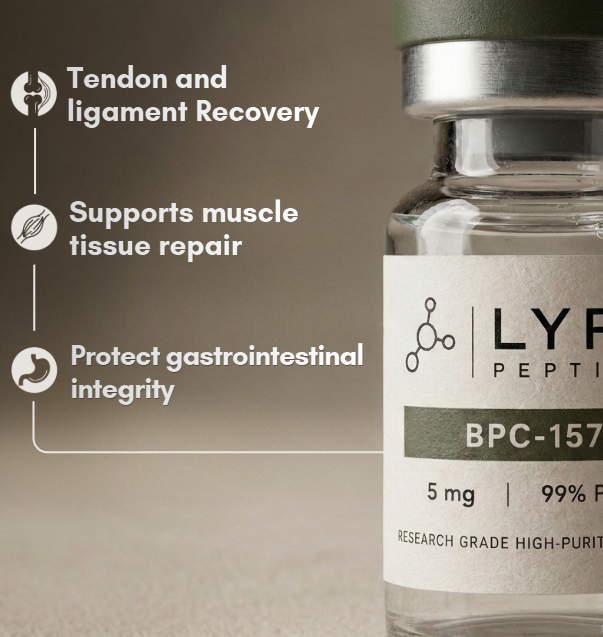
BPC-157 is a recovery peptide researched for its ability to support the body’s natural repair processes. It is particularly beneficial for active individuals seeking to improve recovery for muscles, tendons, joints, and the digestive system.
⚠️ Product Usage: The products we offer are intended for in-vitro laboratory research use only. The products are not for human or animal use or consumption of any kind. The products offered on this website are not intended to diagnose, cure, mitigate, treat or prevent disease. In purchasing any of these items, the customer acknowledges that there are risks involved with consumption or distribution of these products.

BPC-157 is a synthetic 15-amino acid peptide derived from a protective fragment associated with the gastric environment. It is being studied for its role in vascular signaling, nitric oxide, fibroblasts, and tissue protection. Its popularity in recovery stems primarily from animal research and extensive practical experience, although clinical evidence in humans remains limited.
Research links it to support for collagen synthesis, tendon cell proliferation, local circulation, and the natural repair response. It is therefore positioned to support physical recovery, tendon and ligament resilience, mobility, and training continuity. It should not be presented as a guarantee of regeneration or as a treatment for an injury.
It can make sense as a support tool when recovery has become a genuine limiting factor and training load, rest, and nutrition are already being managed. The typical profile is an active person over the age of 35 experiencing recurring discomfort or tissues that are not responding as well as they used to. First, it is advisable to rule out any injury requiring a specific diagnosis or rehabilitation.
It is also studied for its relationship with the gastrointestinal mucosa, epithelial protection, and intestinal permeability. This origin explains the name “Body Protection Compound.” Online communications should focus on supporting digestive wellness and internal balance, without presenting it as a cure for ulcers, leaky gut, or gastrointestinal diseases.
BPC-157 is more closely associated with local protection, nitric oxide signaling, fibroblasts, and the gastrointestinal environment.
TB-500 has a more systemic profile and is linked to actin, cell migration, motility, and soft tissues. They may share the same target but reach it through different mechanisms.
It only makes sense when seeking a more specific tool and wanting to adjust the BPC-157 component independently. Combining it with TB-500 can be useful when also targeting a more systemic aspect of mobility and soft tissue. With KPV or GHK-Cu, the combination shifts focus toward inflammatory balance or skin and collagen.
The 5 mg and 10 mg figures indicate the total amount of product contained in each vial, not a recommendation for use.
A larger presentation may offer a greater quantity or more flexibility, but it is not automatically the right choice.
The choice should depend on the objective, the protocol format, and individual assessment.
No. BPC-157 can be part of a support strategy, but it does not identify the cause of the pain, correct poor technique, or replace physical therapy, rehabilitation, relative rest, or medical treatment. Using it to continue loading an injury without addressing the underlying problem would run counter to the brand’s positioning.
The compound is the simplest part of this. What decides your result is the dose you run, the length of the cycle, what you stack it with, what you stop, and what you actually measure along the way, decisions that change from one body to the next.


You will be kept up to date with all our latest news.